
Hiring an excavator doesn’t have to be complicated. But if you want to work efficiently and avoid delays, it pays to make the right choices upfront. Size, ground conditions and drive type all affect how smoothly your job runs. After reading this article, you’ll be able to choose the right excavator for your project quickly and with confidence.
1. Choose the right size
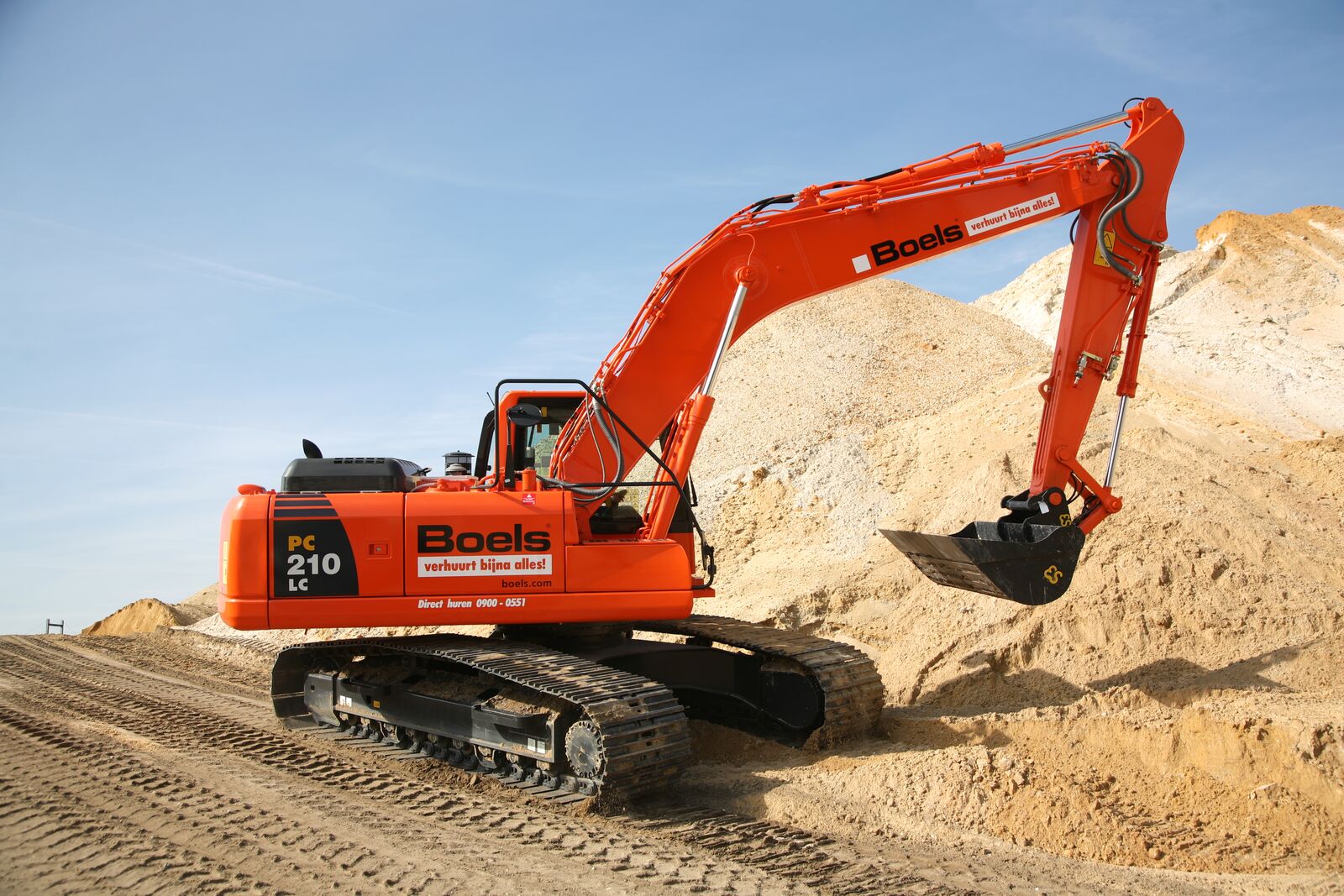
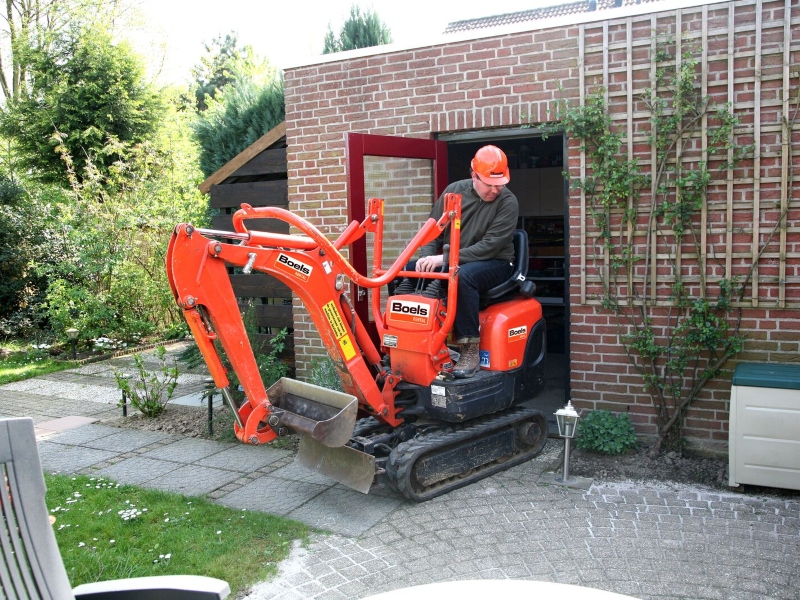
When it comes to an excavators, bigger isn’t always better. A compact mini excavator is easy to manoeuvre and ideal for tight spaces, while a larger excavator offers more reach and power. Choose a machine that’s too small, and the job will take longer. Go too big, and you risk working less precisely or causing damage.
-
Small jobs or limited space?
Choose a 1-ton mini excavator. It’s compact, easy to transport on a trailer and works well in tight areas. Ideal for moving sand, stones or small tree stumps. -
Heavier work?
Go for a larger excavator with more digging power and reach. You’ll work faster and avoid unnecessary effort. -
Working indoors?
Check access points and floor load capacity in advance. This helps you avoid damage and downtime.
Not sure which excavator fits your job? Get in touch with our customer service. We’ll help you choose and get you started right away.
2. Check the subsoil
Not every excavator suits every surface. Choose the wrong excavator, and you risk delays or damage.
Working on a specific surface? Choose accordingly:
- Grass or paving: use an excavator with rubber tracks to prevent damage
- Loose sand or mud: choose wider tracks or use ground protection mats to prevent sinking
This keeps your excavator stable and your work running smoothly. Digging power also matters. The denser the ground and the deeper you dig, the more powerful your excavator needs to be. Working on rough terrain or hard clay? You’ll need extra breakout force. Choose the wrong excavator, and you make the job unnecessarily heavy – and that costs time.
3. Diesel, electric or hybrid?
You’ll increasingly face emission requirements on-site. Choose the drive type that fits your project:
- Diesel: ideal for long periods of heavy work and sites without power supply.
- Electric: quiet, zero emissions and perfect for indoor work or urban areas with environmental requirements.
- Hybrid: electricity-powered where possible, switch to diesel when necessary.
Not sure what suits your situation? We’re happy to advise.
4. Prevent theft and unexpected costs
Excavators are in high demand – not just among professionals. Theft or damage can delay your project and increase costs. As the renter, you are responsible for both. Many excavators come with GPS tracking. With the right precautions, you can avoid problems altogether:
- Park the excavator in a secure, locked location
- Always lock the machine
- Store the key in a safe place
This reduces the risk of theft and keeps your project running without interruptions.
Want extra peace of mind? Choose the Rental Protection Plan. For a small percentage on top of the rental price, you’re covered. In case of damage or theft, you only pay the excess. No unexpected costs. No delays. Just keep working.